
Sediment management refers to the set of technical and policy measures used to manage, reduce, or remove contaminated sediments from waterways. The primary goal is to protect human health and ecosystems where contaminant levels exceed natural background conditions and potential risks.
Beyond decades of industrial activity and urban development have left a lasting legacy beneath our waterways. Across rivers, lakes, ports, creeks, and coastal zones worldwide, contaminated sediments remain one of the most persistent and technically complex environmental challenges. Often out of sight, these sediments can pose long-term risks to ecosystems, water quality, and human health if left unmanaged.
Sediment remediation: safeguarding people and the environment
Contaminated sediments can affect aquatic ecosystems and communities that rely on waterways for food, recreation, and economic activity. Certain contaminants accumulate in fish and shellfish, posing particular risks to high-fish-consuming populations and individuals with compromised immune systems.
By addressing these pollutants, sediment remediation helps revitalize city waterways by improving water quality, restoring aquatic habitats, and enhancing flood resilience. Healthy rivers, creeks, and canals absorb stormwaters, stabilize shorelines, and create safer environments for people. Restoring these waterways provides lasting benefits: cleaner public spaces, healthier ecosystems, and greater resilience to climate-related challenges.
How is sediment remediation done?

Common sediment remediation technologies include dredging, excavation, in-situ capping, and monitored natural recovery. Rather than eliminating all contamination, these approaches aim to reduce risk to acceptable, protective levels. In many cases, some contaminants may remain in place, supported by long-term monitoring to evaluate continued performance. Projects often combine multiple technologies to achieve the desired outcome.
Sediments often bind contaminants, such as hydrophobic organic contaminants (HOCs) and persistent bioaccumulative toxics (PBTs), which degrade slowly and can accumulate in plants and animals over time. As these substances move up the food chain, they can become more concentrated, increasing exposure risks for both wildlife and human health. Common sediment contaminants include:
- Organic pollutants (such as PCBs, dioxins/furans, PAHs, and pesticides)
- Non-aqueous phase liquid (NAPL)
- Metals (such as mercury, lead, arsenic, copper, chromium, and cadmium)
- Hydrocarbons
- Legacy industrial waste.
Because sediments are dynamic, natural processes like erosion, flooding, and biological activity can re-expose buried contaminants, making adaptive management and monitoring essential components of sediment remediation.
The hidden complexity of sediment management
Sediment remediation sites are technically challenging due to constantly changing physical conditions. Currents, tides, and storms can shift sediment layers, while burrowing organisms disturb contaminated material. In urban and industrial waterways, ongoing inputs from legacy infrastructure, stormwater, and historical discharges can further complicate cleanup efforts.
Infrastructure such as navigation channels, piers, utilities, outfalls, and shoreline development often limits available remediation options. These constraints increase costs and require careful planning to balance risk reduction, constructability, and environmental protection.
Because of this complexity, sediment remediation typically relies on a combination of approaches tailored to site-specific conditions rather than a single method applied uniformly.
What are the technologies for sediment remediation?
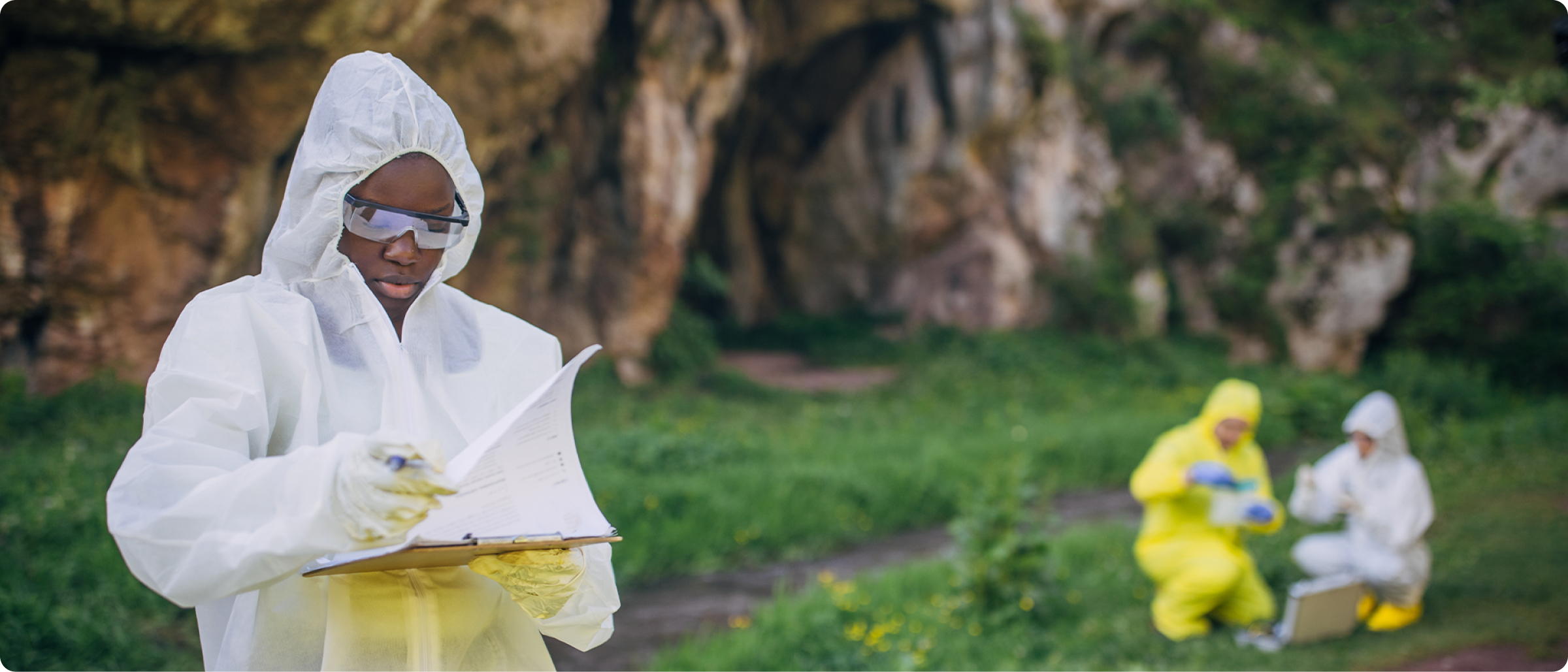

The challenge
As part of its closure strategy, a gold mine sought innovative ways to offset the cost of rehabilitating mined land and treating water by exploring the potential presence of critical minerals in its mine wastes.

The solution
We conducted site investigations and sampling to characterize the presence of valuable mineral potentials and recommended ways to integrate mineral recovery into closure planning, supporting both the client’s financial and sustainability goals.

The impact
These strategic insights helped guide investment decisions on land rehabilitation while reducing long-term risks.
Case study 4: supporting sustainable operations in active mines

The challenge
A gold mine with complex geology and water treatment issues sought ways to recover valuable minerals from its ore and leftover materials. REEs, cobalt, and nickel are essential for batteries and electronics, and their importance is growing as sustainable mining becomes a priority.
The solution
We collaborated with the client’s research and development team to identify resource recovery opportunities. We also designed pilot studies to test whether these recovery methods were technically sound and economically feasible.
The impact
The project enhanced the client’s environmental performance and advanced a circular economy approach to mining.
Case study 5: exploring new opportunities in phosphate and lithium
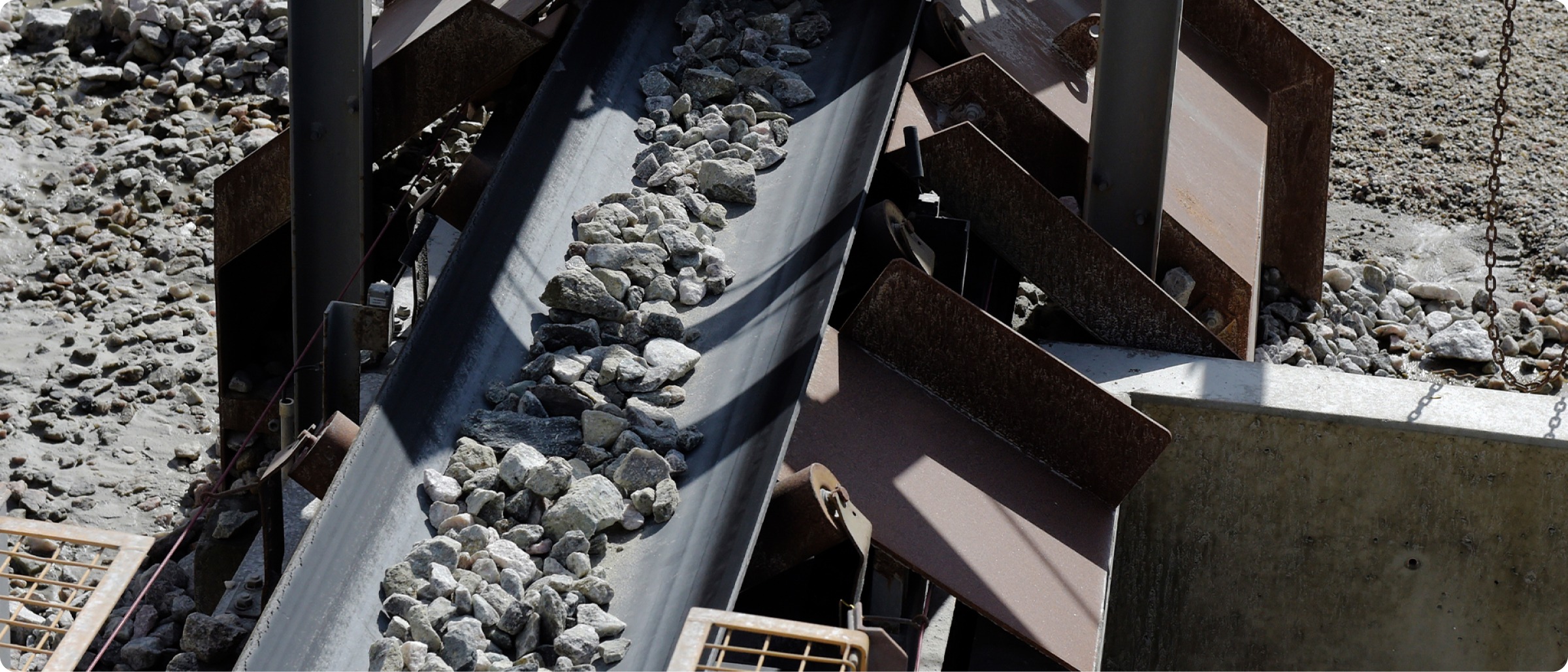
The challenge
Clients in phosphate and lithium mining needed reliable, early-phase evaluations of mineral extractions. These minerals are vital for applications such as food security (phosphate) and clean transportation (lithium).
The solution
We delivered quick-turnaround evaluations and technical support for critical mineral recovery, helping clients make informed investment decisions and reduce project risks.
The impact
This sped up development for new critical mineral projects, supporting progress toward more efficient and sustainable operations.

On-Demand Webinar: Unlocking the value from critical minerals
In our webinar in partnership with Environment+Energy Leader, Arcadis and Mosaic Water Systems experts explore ways to turn resources and byproducts into opportunities.
Looking ahead: partnering for smarter resource recovery
We co-create solutions with companies in the mining and energy sectors to design strategies that balance business goals with environmental responsibility. We provide:
- Critical mineral resource assessments
- Feasibility studies and technical evaluations
- Innovative water treatment for mineral recovery
- Waste valorization and circular economy solutions
- Environmental permitting and regulatory compliance
- Sustainable closure and reclamation strategies
Note: All case studies have been anonymized to protect client confidentiality.